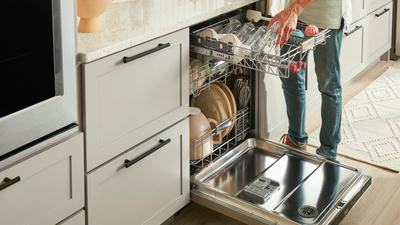
In the hustle and bustle of daily life, many of us find ourselves cooking more food than we can consume in one sitting. Leftovers can be a lifesaver, allowing you to save time and minimize food waste. However, handling leftovers requires careful attention to food safety and kitchen hygiene to prevent foodborne illnesses. This comprehensive guide aims to educate you on the best practices for safely handling and storing leftovers while maintaining a clean kitchen environment.
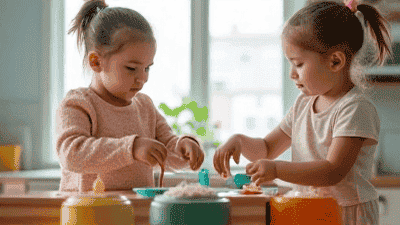
The kitchen is often considered the heart of the home, a place where families gather to cook, eat, and create lasting memories. For families with children, the kitchen also serves as an excellent opportunity to teach important life skills, including hygiene habits that are crucial for maintaining health and safety. Teaching children good kitchen hygiene practices early on not only ensures food safety but also fosters a sense of responsibility and independence.
The kitchen is often referred to as the heart of the home, where delicious meals are prepared and memories are created. However, it is also a place where foodborne illnesses can thrive if proper hygiene practices are not followed. Maintaining kitchen hygiene is crucial for ensuring the safety and well-being of you and your loved ones. Whether you are a seasoned chef or a novice home cook, understanding and implementing effective kitchen hygiene practices is necessary for a successful cooking experience.
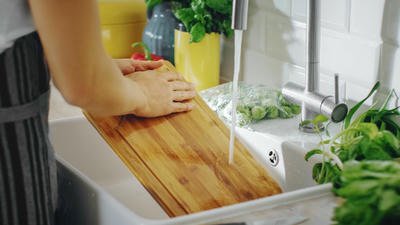
Cooking can be a delightful experience, but it also involves various risks if proper hygiene practices are not followed. One of the most critical steps to ensure food safety is to wash and sanitize your kitchen tools properly. Whether you are a seasoned chef or an occasional cook, understanding the importance of cleanliness in the kitchen is essential in preventing foodborne illness and ensuring that your meals are safe and delicious.
The kitchen is the heart of the home, where delicious meals are created, family gatherings occur, and cherished memories are made. However, it is also a space that requires constant attention to hygiene and cleanliness. With the advancement of technology, there are now countless gadgets designed to help maintain a clean kitchen while also promoting food safety. In this comprehensive guide, we will explore some of the best kitchen gadgets for hygiene and cleanliness, offering insights into how they work and
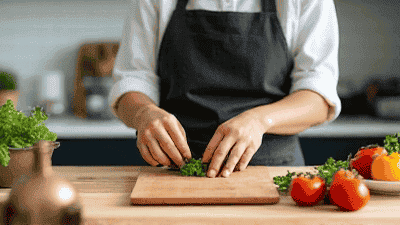
In any kitchen, where the magic of cooking happens, the importance of cross-contact awareness cannot be overstated. Cross-contact references the unintended transfer of allergens or pathogens from one food item to another. For individuals with food allergies or certain health conditions, even minute traces of allergens or pathogens can lead to serious health consequences. That is why understanding and managing cross-contact in your kitchen is crucial for creating a safe cooking environment.
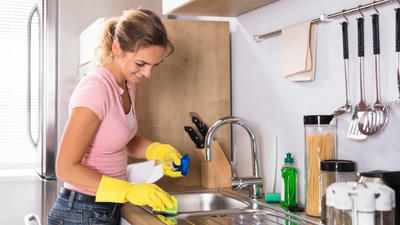
The kitchen is often the busiest room in the house, serving as a place for meal preparation, family gatherings, and even homework or craft projects. However, it can also quickly become one of the messiest areas if not maintained properly. A clean kitchen is essential not only for aesthetic reasons but also for health and safety. Foodborne illnesses, pest infestations, and allergies can all be impacted by poor kitchen cleanliness.